Cultural Advice for ISSC Kiritaki
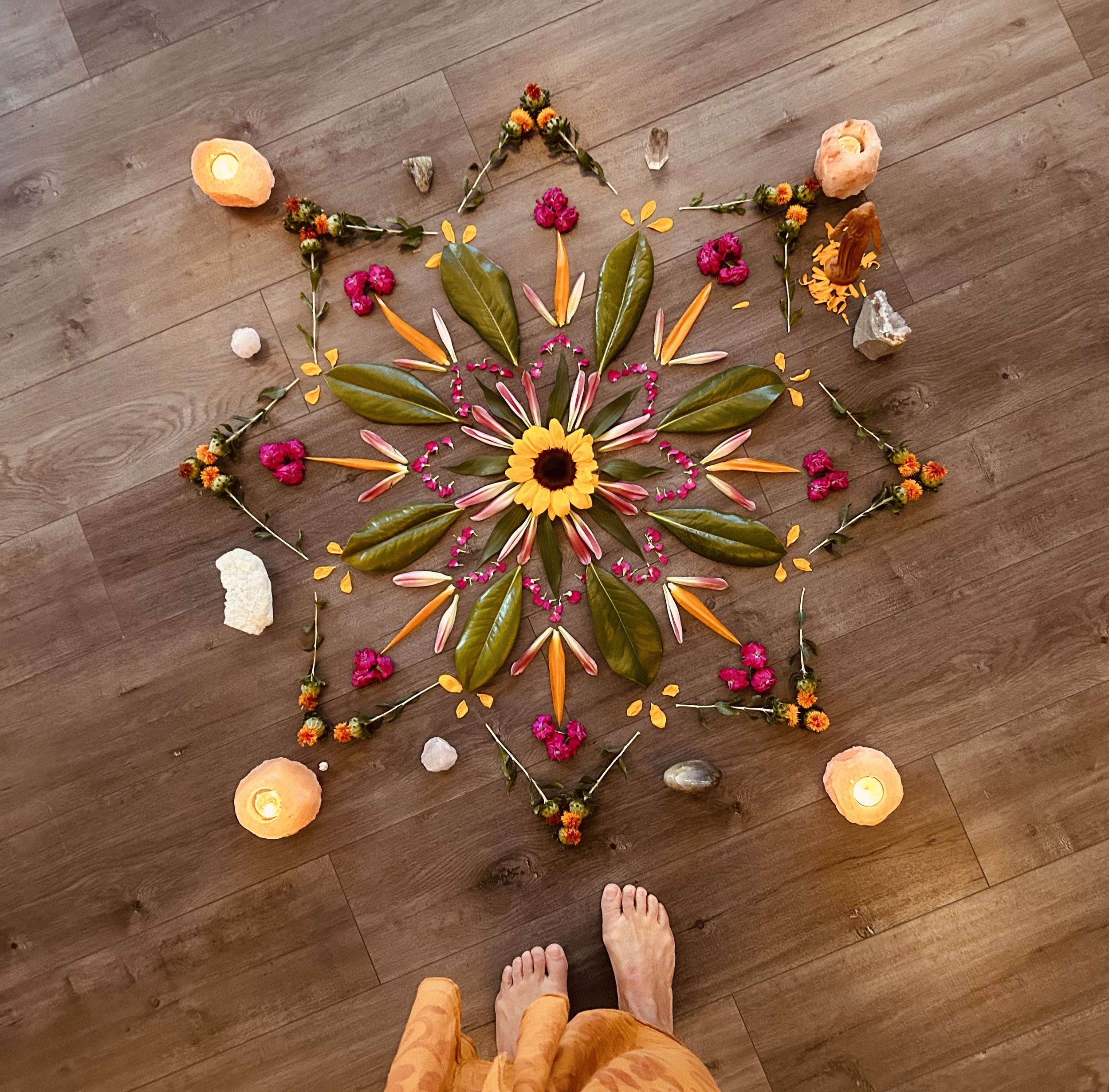
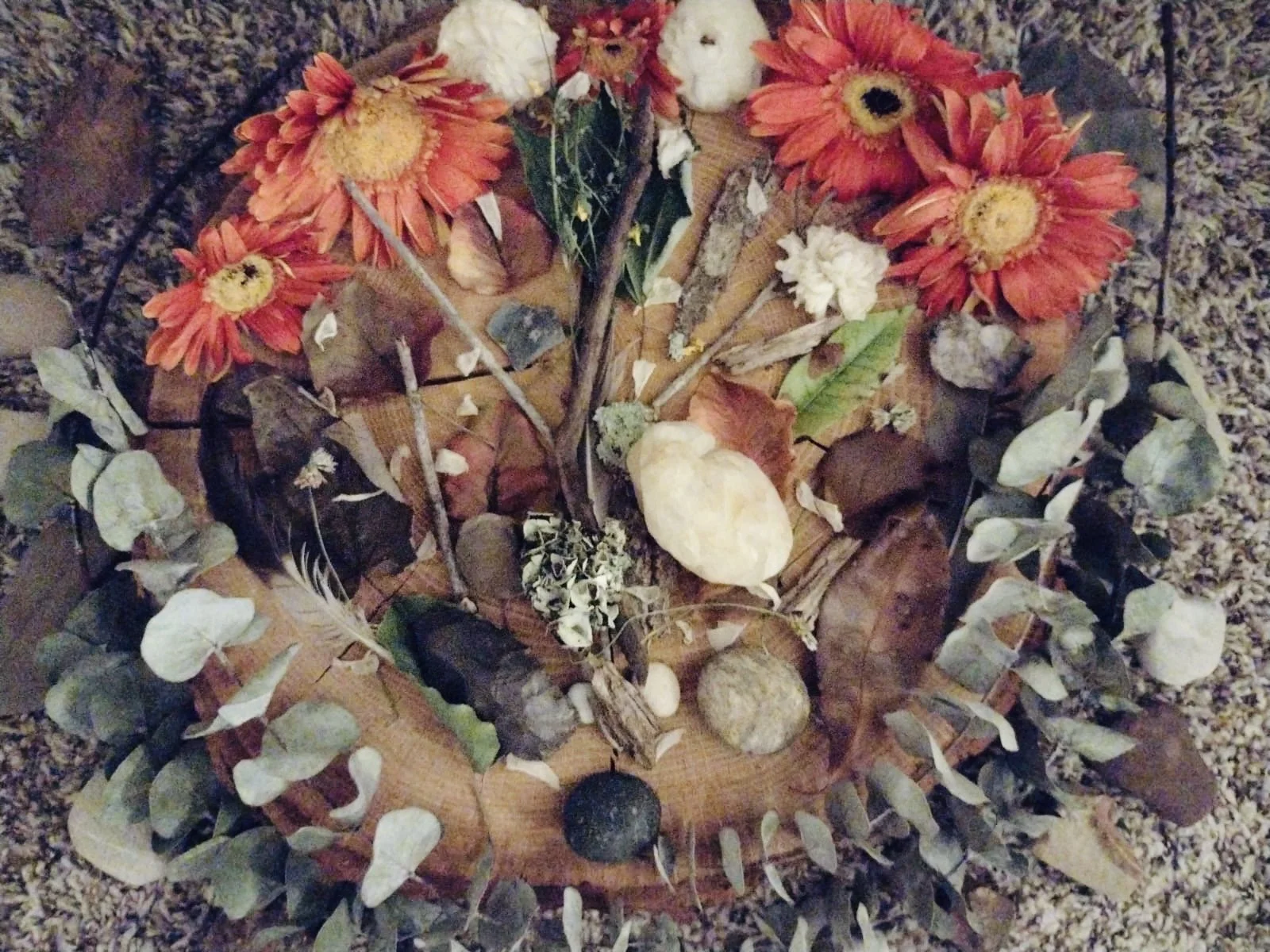
Mandala artwork by Jasmin Amrita
Information for Kiritaki and their Lead Providers
-
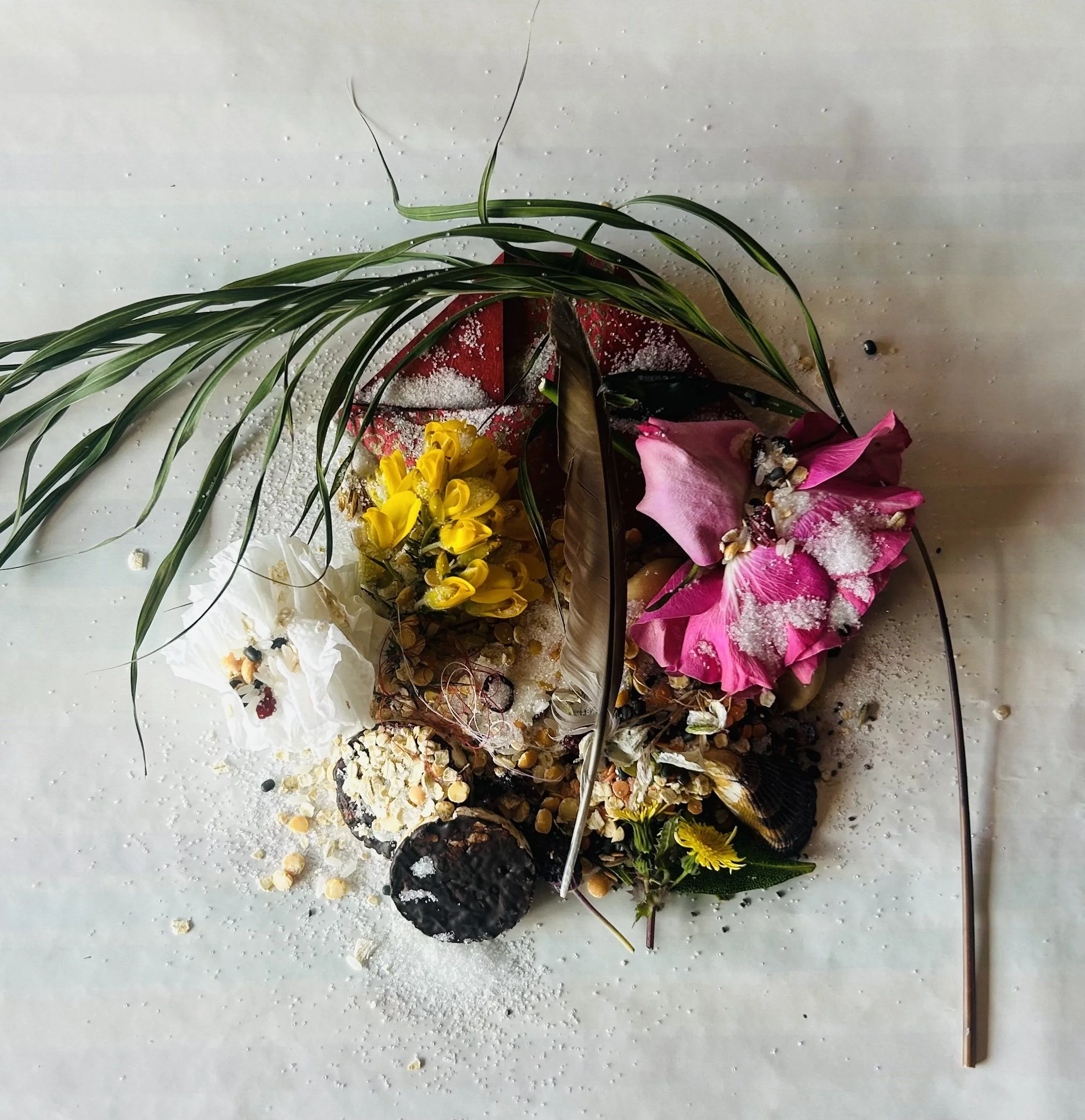
Why Shamanic Energy Medicine?
How can shamanism provide cultural support to me/my kiritakI?
Shamanism generally emphasises balance between the body, mind, and spirit. Kim works with the individual to restore harmony within themselves, often through rituals, breathing exercises, and meditations. The goal is to help the person feel more grounded, centered, and whole. Kim’s approach provides a strong complement to talk therapy and/or medication for PTSD.
How to Bring Kim On Board
If you feel that cultural, spiritual, whānau, identity, or community-related factors may be affecting engagement in your therapy, please discuss this with your ACC Lead Provider.
Your Lead Provider can then determine whether Cultural Support and Advice is clinically indicated, consult with me regarding your needs, and work with their ACC supplier to submit the appropriate request to ACC where required.
Disclaimer
ACC Cultural Support and Advice is provided as a collaborative service that supports the Lead Provider and wider treatment team to deliver culturally responsive care. It is not a standalone clinical treatment, counselling, psychotherapy, or healing service, and any ACC-funded involvement is subject to ACC approval and applicable service criteria.
For Lead Providers…
What can I say in my rationale for referring to Kim for this mahi with my kiritaki?
Kim brings extensive experience in culturally grounded practice, wairua-informed approaches, wellbeing education, trauma-informed yoga, and Indigenous knowledge systems. Her expertise may assist Lead Providers to better understand cultural, spiritual, identity-based, whānau, and community factors that are contributing to barriers to engagement, recovery, or participation in therapy.
Kim may be able to provide cultural advice and support when:
A kiritaki's experiences, beliefs, values, identity, or wairua are contributing to challenges with engagement in therapy.
Cultural, spiritual, whānau, community, or identity-based factors are present and require further understanding by the Lead Provider.
Additional cultural perspectives may assist the treatment team to deliver services in a culturally responsive and effective manner.
Cultural barriers are impacting the kiritaki's ability to participate fully in their recovery and treatment planning.
Kim's contribution focuses on supporting cultural understanding and responsiveness within the wider treatment approach. This may include sharing cultural perspectives, providing insight into culturally significant practices and beliefs, and helping identify culturally appropriate ways to support engagement and recovery goals.
Any Cultural Support and Advice provided is undertaken in collaboration with the Lead Provider and linked to the kiritaki's broader treatment objectives. Information gathered through this process may help inform the Lead Provider's understanding of culturally relevant factors and support the delivery of culturally responsive care.
-
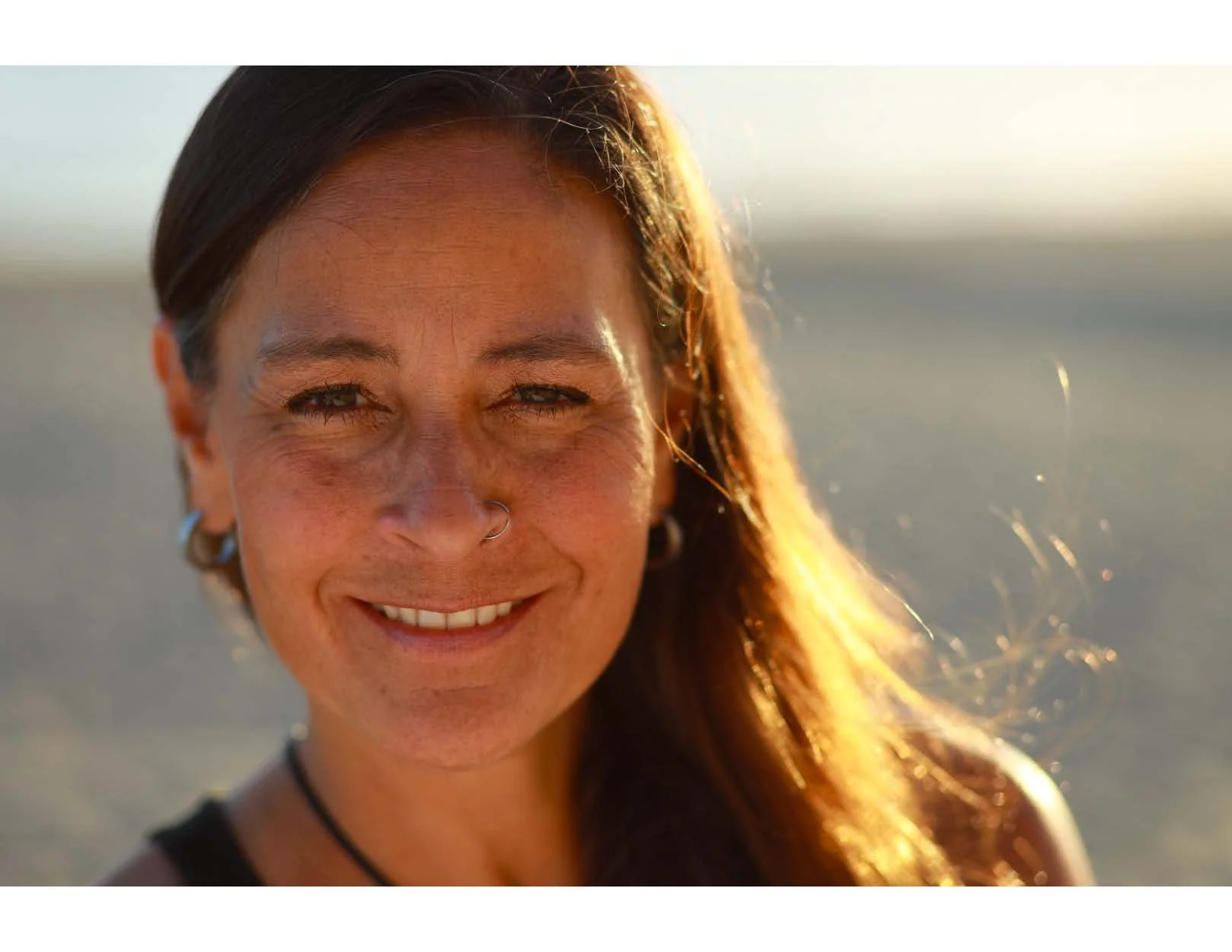
About Kim
Qualifications:
•Master Practitioner of Energy Medicine, Four Winds Society
•Reiki Levels I-III
•Yoga Certified, Registered with Yoga Alliance; trained in Yoga for Trauma & Addiction, Yoga for Cancer Patients/Survivors
•Trained in the Amherst Writers & Artists method of guiding creative journaling as a wellbeing practice and leading creative writing workshops
•Trained and experienced in working with youth with high and complex needs
•MFA in Writing: Poetry
•PhD in English Literature
Kim’s Mahi:
Kim has been practicing energy medicine for over 20 years. She has been working with ACC Sensitive Claims kiritaki in New Zealand for the past two years. Kim also facilitates a 21-hour ACC group therapy programme, which she does alongside a lead provider. This programme is called Soul Bonsai: Creative Journaling as a Wellbeing Practice.About Kim:
Originally from California, Kim has just completed a PhD in English Literature focusing on the establishment of personal sovereignty through the poetry of three queer, Indigenous women poets. She teaches creative writing courses for the University of Otago (face-to-face ) and for Massey University (online). She also runs creative writing workshops for various groups, including retreats, educator teams, and community circles. Kim is a seeker, surfer, and healing arts practitioner. She is the mother of two grown children and a lover of nature, food, and music/dance.
Kim takes a spiritual, cultural, and energetic approach to working with individuals who have PTSD and CPTSD. Kim incorporates the following in her sessions:
*Nervous system regulation in a safe space
*Experience of a safe attachment relationship
*Breathwork and visualisation/meditation to reset fight/flight activation
*Somatic practices to release stored trauma in the physical and energetic bodies
*Facilitation of brain/heart coherence
*Shifting and erasing stuck energy (imprints) around traumatic events
*Ancestral constellation (articulating and shifting orientation to/relationships with whakapapa, living and passed)
*Dream work
*Grounding practices using the elements, energy centres (chakras) and nature
*Ceremonies and rituals to create new neural pathways to support neuroplasticity
*Sound therapy (drums, rattles, chanting)
*Yoga tailored to mobility/ accessibility needs, including chair yoga
*Somatic therapy
*Creative journaling
*Sensory modulation
-
Testimonials
“Kim’s combination of empathy, calm, openness, and humour makes it easy to relax and ease into difficult spaces. I trust Kim completely as a guide through rocky terrain, and after our sessions I feel reinvigorated, in touch with a zest for life that I thought I had lost. I appreciate that Kim is constantly adding new approaches and techniques to her healing repertoire, because it means she can find what connects to the individual she’s working with, whether that’s creative practice, energy work, ritual, or a listening ear and good advice. Most of all, Kim has helped me get in touch with my deeper self, using her strength to empower my own. Thanks, Kim, for reintroducing me to myself.” ~C, Ōtepoti Dunedin
“Kim is kind, non judgemental, strong, gentle, open, intuitive. I can't explain in words what the energy healing is, but it feels safe, and right.” ~M (Ōtepoti Dunedin)